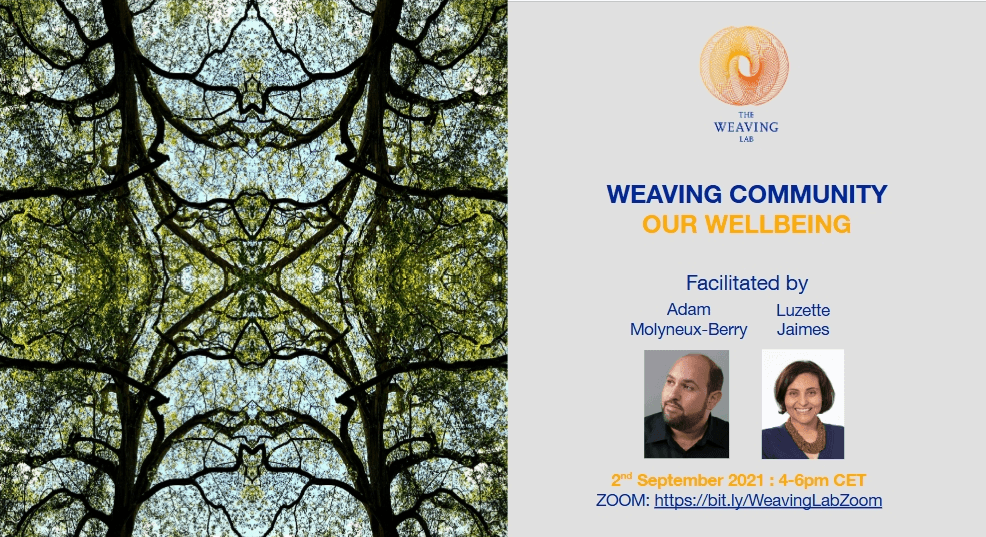
With Luzette Jaimes and Adam Molyneux-Berry, 2 Sept 2021
Summary
This session explored the links between individual health, collective alignment, and systemic transformation, challenging the mainstream glorification of “heropreneurship” (a destructive cycle where changemakers exhaust their personal well-being to fix broken external social structures). Integrating raw personal testimony from the frontlines of the Arab Spring with a practical 10-lens holistic evaluation tool, the session demonstrated that sustainable systems change cannot be separated from the interior psychological and somatic conditions of the change agent.
Key Learning Points
- The Fallacy of Separation: Human beings function as direct, living fractals of the larger ecosystems they inhabit; any negative or positive shift in an individual’s interior state ripples instantly across family, organizational, and planetary domains.
- The Trap of Heropreneurship: Modern social innovation culture toxically glorifies heroics and overwork, pushing leaders into a permanent cycle of severe exhaustion and nervous system burnout.
- The Structural Blind Spot of Intention: A poorly designed or dysfunctional system can continue to discriminate, oppress, and produce profoundly inequitable outcomes even if every individual stakeholder inside it holds good intentions.
- The Magic of Spontaneous Self-Organization: Under extreme crisis conditions, the collective social subconscious can generate massive, unscripted systems of mutual aid, resource safety, and infrastructural care entirely without formal committees.
- The Redundancy of Fractured Competition: When ecosystem leaders are chronically exhausted, their capacity to listen declines, leading to intense tribal fingerpointing, narrative control battles, and a massive waste of resources on duplicated projects.
- The Reality of Somatic Recording: The physical body keeps a precise, un-erasable scorecard of lifelong trauma, recording environmental stress that cannot be accessed or healed through standard cognitive talk therapies.
- The Osmosis of Proximity: Human beings are the direct behavioral average of the five individuals they interact with most frequently, making the intentional cultivation of supportive health circles a core strategic requirement.
Key Action Points
- Deploy the 10-Lens Well-Being Wheel: Map out personal and team organizational alignment by conducting a rapid visual self-assessment across ten specific operational spaces:
- Mindsets: Belief architectures and worldviews
- Physical: Nutrition, sleep rhythms, and nervous system regulation.
- Psycho-Emotional: Loving presence with raw data like anger or grief.
- Transcendence: Complete integration of identity and calling.
- Contribution: Building a better world within a lifetime.
- Relationships: Deep quality connection with teams and partners.
- Livelihood: Generating sustainable income doing what you love.
- Nature: Enhancing cognitive capacity via deliberate forest bathing.
- Social/Cultural: Worldview awareness and navigating institutional context.
- Spatial Place: Securing non-polluted, clean, and dignified physical spaces
- Implement Kaizen Micro-Habit Building: Avoid overwhelming lifestyle overhauls by committing to microscale behavioral shifts (e.g., placing running shoes next to the door without forcing a run) to gradually build neurological habits.
- Practice Radical Vulnerability Witnessing: Step into genuine strength by openly acknowledging fear, shame, or systemic exhaustion to group peers, transforming hidden pain into a visible point of connection.
- Deconstruct Top-Down Educational Models: Re-engineer traumatizing, highly managed educational hierarchies by centering the system entirely on teacher well-being, allowing learning to emerge from the bottom up.
- Execute Radical Workspace Reductions: Safely exit toxic or unaligned organizational structures and intentionally cut daily operational workloads by 50% to allow the nervous system to heal.
- Integrate Trauma-Releasing Somatic Exercises: Utilize validated somatic techniques (such as specific neurogenic tremoring protocols) alongside right/left brain integration practices to release deep-seated trauma.
- Establish Inclusive Non-Monetary Exchange Currencies: Demolish financial entry barriers to high-utility tech spaces or innovation hubs by allowing participants to earn access by writing articles or documenting events.
- Include Mindfulness Practices: Cultivating qualities of presence and the ability to observe without judgement.
References
- Berry, W. The Peace of Wild Things (poem)
- Berceli, D. Shake It Off Naturally: Reduce Stress, Anxiety, and Trauma with TRE (referenced foundational resource text for neurogenic trauma release).
- Jaimes, L. & Moller, A. The Dynamic Model for Wellbeing (the core featured presentation matrix and self-assessment wheel tool).
- Loy, D. The World Is Made of Stories (referenced text tracking the deep impact of human narrative architectures on reality).
- Scharmer, O. Theory U Strategy and Interior Condition Methodologies..
- The Remake Learning Network Archive. Pittsburgh Learning Ecosystem Case Study (referenced structural evaluation text tracking mature multi-stakeholder mapping).
Knowledge Base Categories: 1) Regeneration & Universal Wellbeing 2) Funding & Strategy